
Sun Poisoning in Hawaii: Symptoms, Emergency Care, and Prevention in Kailua, Oahu

The sunburn hurts and you have chills, then nausea kicks in. That is not a regular burn. That is sun poisoning, and Hawaii's UV 11+ can trigger it faster than the Mainland ever did.
If your skin is hot, red, blistering, and your whole body feels sick, take it seriously. Sun poisoning can cause fever, dizziness, dehydration, and severe pain that builds after you leave the beach. In Kailua, Oahu, we see how fast this can happen after surfing, paddling, hiking, yard work, or one “quick” beach day without enough protection.
This guide is for adults and visitors who need to know what to do now, what signs mean emergency care, and when Hawaiian Islands Dermatology can help with medical treatment.
This article is for general education and does not replace an in-person medical evaluation.
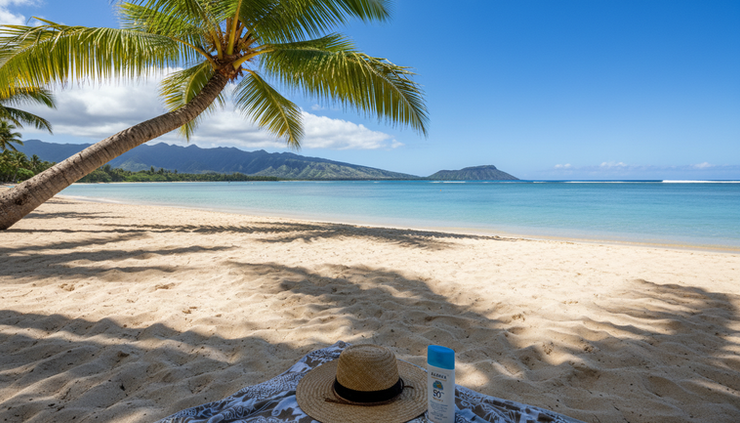
What Sun Poisoning Is
Sun poisoning is not poison from the sun. It is a severe sunburn with body-wide symptoms.
A regular sunburn may feel hot, tight, and painful. Sun poisoning goes further. The skin damage is bad enough that your body reacts with inflammation beyond the skin. That can bring chills, fever, nausea, headache, dizziness, and weakness.
Think of it this way. Your skin is the largest organ in your body. When a large area gets burned, your body has to respond. Blood flow changes. Fluid loss rises. Inflammation increases. If enough skin is damaged, you can feel sick all over.
That is the key difference in sun poisoning vs sunburn:
Sunburn | Sun poisoning |
Red, warm, painful skin | Severe red or purple skin with body symptoms |
May peel after a few days | May blister, swell, and cause chills or fever |
Usually limited to the skin | Can cause nausea, dizziness, headache, and dehydration |
Often improves with home care | May need prescription care or emergency care |
If you are searching for sun poisoning Hawaii because you feel sick after a burn, do not wait to see whether it “turns into something.” Start care now and check for emergency signs.
Symptoms
Sun poisoning symptoms can start the same day or show up hours later. Pain often gets worse after you are already out of the sun.
Watch for:
Blistering
Small blisters can happen with a deeper burn. Large, tight, or widespread blisters are more serious.
Chills
Shaking or feeling cold while your skin is hot can mean your body is under stress.
Fever
A mild fever can happen with a severe burn. Higher fever needs urgent attention.
Nausea or vomiting
This can be from pain, heat stress, dehydration, or a stronger body reaction.
Dizziness
Feeling lightheaded when standing can point to dehydration or heat illness.
Headache
Headache after sun exposure can come with dehydration, heat stress, or inflammation.
Dehydration
Dark urine, dry mouth, fast heartbeat, weakness, and not urinating much are warning signs.
Pain that builds hours to days later
Sunburn pain often peaks after the exposure, not during it. That delay is why many people stay outside too long.
A blistering sunburn in Kailua after a beach day, hike, or boat trip should not be ignored, especially if you also have chills, fever, or nausea.

Why Hawaii Gets It More
Hawaii sun is different from what many visitors expect. Even people who tan easily on the Mainland can burn fast here.
There are a few reasons.
UV can reach 11 or higher.
A UV Index of 11+ means extreme exposure. On a clear day, unprotected skin can burn in about 20 minutes, and sometimes faster for very fair skin.
Water and sand reflect UV.
You are not only getting sun from above. Light bounces off water, sand, concrete, boats, and pool decks. That reflection can increase the total UV dose your skin takes in.
Clouds do not block enough UV.
A cloudy Kailua, Oahu morning can still burn you. You may feel cooler, so you stay outside longer.
Some medications raise sun sensitivity.
Common medicines can make you burn faster. These may include some antibiotics, acne medicines, water pills, anti-inflammatory medicines, and certain heart or mood medications. Do not stop a prescribed medicine without medical advice, but check your labels and ask if your medication increases UV sensitivity.
Visitors often underestimate the first day.
A travel day, a late breakfast, and a “short” swim can turn into hours outside. That is why searches for severe sunburn Hawaii often start after the first beach day, not at the end of the trip.
Immediate Care
Start care as soon as you realize the burn is severe. You do not need to wait until it fully declares itself.
Get out of the sun
Move indoors or into deep shade. Put on loose, soft clothing. If you stay outside, the burn can keep worsening even if you think you are covered with sunscreen.
Cool the skin
Use cool compresses or a cool shower. Do not use ice directly on burned skin. Ice can damage the skin more.
Try this:
Cool wet towels for 10 to 15 minutes at a time
A cool shower with gentle water pressure
Loose cotton clothing afterward
Hydrate hard
Drink water and add electrolytes if you have been sweating, vomiting, drinking alcohol, or spending hours outside. Small steady sips can work better than chugging.
Watch your urine. If it is dark or you are barely peeing, dehydration may be getting serious.
Use ibuprofen if it is safe for you
Ibuprofen can help with pain and inflammation. Follow the label. Do not take it if you have been told to avoid it, have certain kidney problems, stomach ulcers, are on blood thinners, or are pregnant unless a clinician says it is okay.
Acetaminophen may help pain, but it does not reduce inflammation in the same way.
Apply aloe or a cool moisturizer
Use plain aloe gel or a light, fragrance-free moisturizer. Keep it cool in the fridge if that feels better.
Avoid scrubs, acids, retinoids, numbing sprays with benzocaine, and fragranced lotions on burned skin.
Do not trap heat with petroleum-heavy products
Do not coat a fresh severe burn with thick petroleum-heavy ointments. These can trap heat and feel worse early on. Once the burn is cooling and healing, a clinician may give different instructions for certain areas, but for the first stage, keep care cool, gentle, and breathable.

When It's an Emergency
Some burns need emergency care, not a clinic visit later. Go to the ER now if any of these are present:
Go to the ER if you have | Why it matters |
Fever over 102°F | This can signal a severe systemic reaction or another illness |
Severe blistering across large areas | Large burns can cause fluid loss and infection risk |
Confusion or fainting | This may point to heat illness, dehydration, or a dangerous drop in blood pressure |
Extreme dehydration | Very dark urine, no urination, fast heartbeat, or severe weakness needs urgent care |
You cannot keep fluids down | Vomiting plus burn stress can worsen dehydration fast |
If someone is confused, hard to wake, has chest pain, has trouble breathing, or collapses, call 911.
For less severe but still concerning burns, Hawaiian Islands Dermatology in Kailua, Oahu can evaluate the skin, check for infection, and discuss sun poisoning treatment options. If Doug Williams, MPAS, PA-C, or the care team feels you need a higher level of care, they will direct you there.
Prescription Options
Not every sun poisoning case needs a prescription. Many need careful cooling, fluids, pain control, and time. But when inflammation is severe, blisters are widespread, or pain is hard to control, medical treatment may help.
Prescription options may include:
Short-course oral steroids
In select severe cases, a short course may reduce intense inflammation. This is not right for everyone. A clinician has to weigh your symptoms, medical history, infection risk, and timing.
Topical steroids
Prescription topical steroids may help calm inflamed areas. They should be used as directed and not placed on open, infected, or deeply blistered skin unless you are told to do so.
Antibiotics if there is secondary infection
Sunburn itself is not treated with antibiotics. But broken blisters can get infected. Warning signs include spreading redness, warmth that gets worse, pus, red streaking, fever, or increasing pain after the first few days.
Do not pop blisters on purpose. Blister skin acts like a natural bandage while the area underneath heals.
Recovery Timeline
Sun poisoning recovery is not always quick. The worst of the pain may come after you thought the sun exposure was over.
Here is a common timeline:
Time after burn | What often happens |
Day 1 to 2 | Pain, heat, redness, swelling, and body symptoms often peak |
Day 3 to 7 | Peeling begins as damaged skin sheds |
2 to 8 weeks | Discoloration may linger, especially after deeper burns |
Some people have itching during healing. Some have tight skin or tenderness for days. If pain suddenly gets worse, redness spreads, or drainage appears, get checked for infection.
Every burn also matters long term. Each sunburn raises lifetime skin cancer risk, and blistering burns are especially concerning. That includes basal cell carcinoma, squamous cell carcinoma, and melanoma risk over time.
After you recover, schedule a skin check if you have a history of blistering burns, many moles, changing spots, or a family history of skin cancer.
Prevention
You cannot make Hawaii UV gentle, but you can lower the dose your skin gets.
Use mineral SPF
Choose a broad-spectrum mineral sunscreen with zinc oxide or titanium dioxide. Apply enough to cover the skin well. Most people use too little.
Reapply:
Every 2 hours when outside
After swimming
After sweating
After towel drying
Do not rely on sunscreen alone during UV 11+ conditions.
Wear UPF hats and clothing
UPF clothing blocks UV more reliably than a thin wet T-shirt. A wide-brim hat protects the scalp, ears, face, and neck better than a small cap.
Good beach protection includes:
UPF swim shirt or rash guard
Wide-brim hat
Sunglasses with UV protection
Lightweight long sleeves for walking or boating
Seek shade from 10 a.m. to 4 p.m.
The strongest UV is usually around midday into afternoon. If you plan a hike, paddle, beach walk, or yard work, go early or later when possible.
Shade helps, but reflected UV still reaches you near water and sand. Keep sunscreen and protective clothing on.
Check medicines that raise UV sensitivity
Before a beach-heavy trip, look at your medication labels. Ask your pharmacist or medical clinician if anything you take can make you burn faster.
This matters for acne medicines, some antibiotics, certain blood pressure medicines, and other common prescriptions.
Hawaiian Islands Dermatology offers in-person care in Kailua, Oahu, and telehealth options for patients on the Big Island, Maui, Kauai, Molokai, and Lanai through hidermatology.com/telehealth. The clinic accepts Quest and Medicaid.

A Local Note
Hawaii sun is a different animal. It can burn through a casual plan, a cloudy morning, or a quick swim that turns into one more hour.
One episode of sun poisoning often teaches respect for life. After that, you pack the hat. You wear the rash guard. You reapply before the burn starts. You check the UV Index and plan your day around it.
If you are in Kailua, Oahu and your burn is blistering, very painful, or paired with chills, fever, nausea, dizziness, or dehydration, get medical guidance. If you meet the emergency signs above, go to the ER now.
For non-emergency evaluation and treatment, schedule with Hawaiian Islands Dermatology in Kailua, Oahu here: Book a visit with Hawaiian Islands Dermatology.


Comments